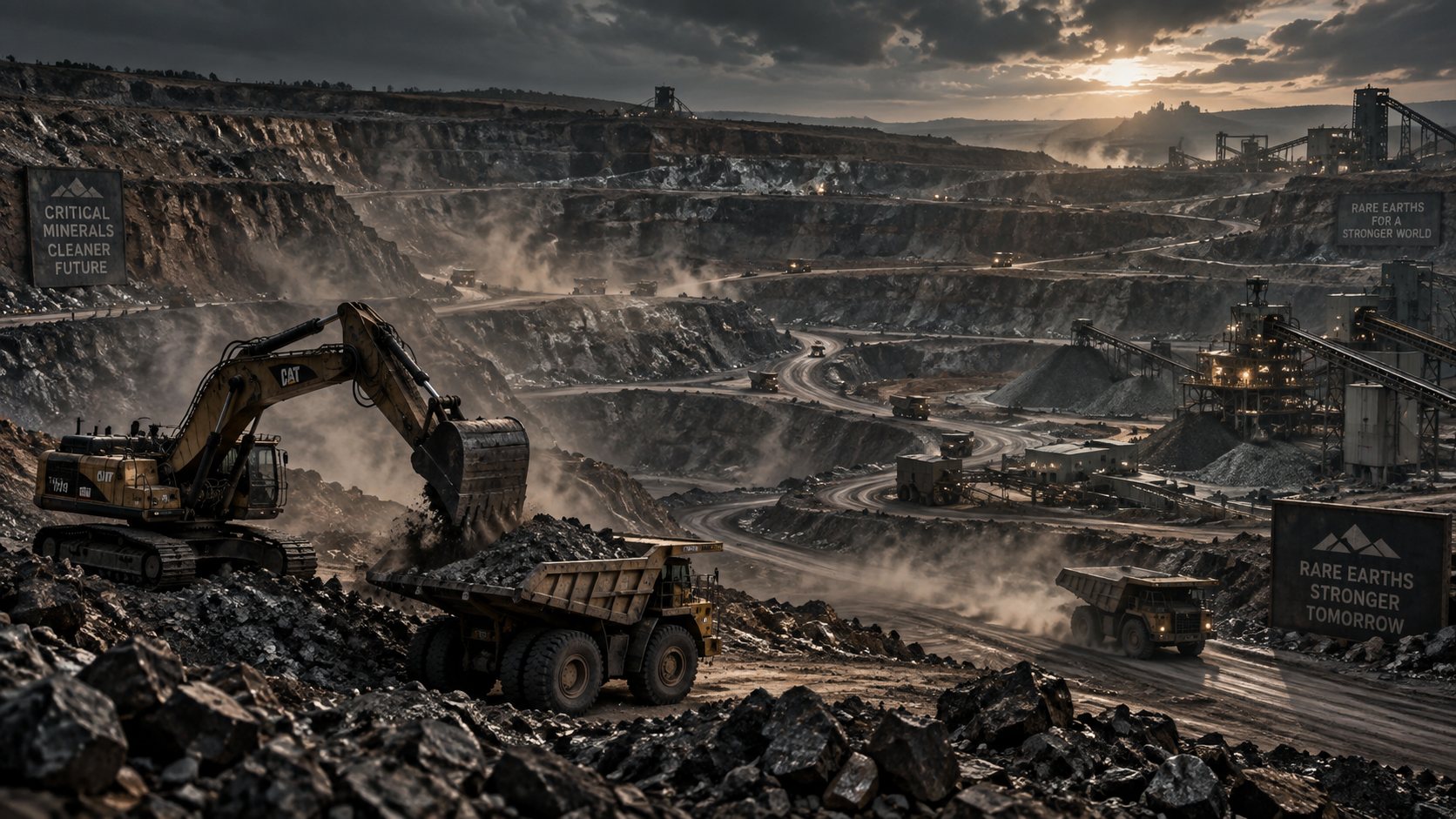
Thar lignite is soft, dry and sits under a metre of loose sand. In summer the haul roads generate a dust plume you can see from the highway, and in 2025 the district EPA asked us to fix it or reduce truck movements. Cutting movements wasn't an option on a 30,000 tonne-a-day contract, so we spent four months finding what actually works.
What didn't work
Water trucks alone. At 42°C a sprayed road is dry within twenty minutes, and we were burning 180,000 litres a day to achieve very little. Adding more trucks just added more traffic.
What did
Three changes together. First, a polymer binder mixed into the top 100 mm of the wearing course on the main ramp, reapplied monthly. Second, a hard 40 km/h limit enforced by fleet telemetry. Third, re-grading the two worst sections to shed water instead of pooling it, which had been turning them into powder every afternoon.
PM10 at the boundary monitor dropped from an average of 210 µg/m³ to 84 µg/m³ across the following quarter — a 60% reduction — while water use fell by half.
What it cost
Binder and grading came to roughly PKR 4.2 million over the trial period. The water saving alone covers that within a year, before counting tyre life, which improved noticeably at the lower speed.
If you're running a similar site
Fix the geometry first. Binder on a road that pools water is money in the drain. Then set the speed limit and enforce it with data, not signs.
Leave a reply
Your email address will not be published. Required fields are marked *